







Search Results for: railway cultural creative products
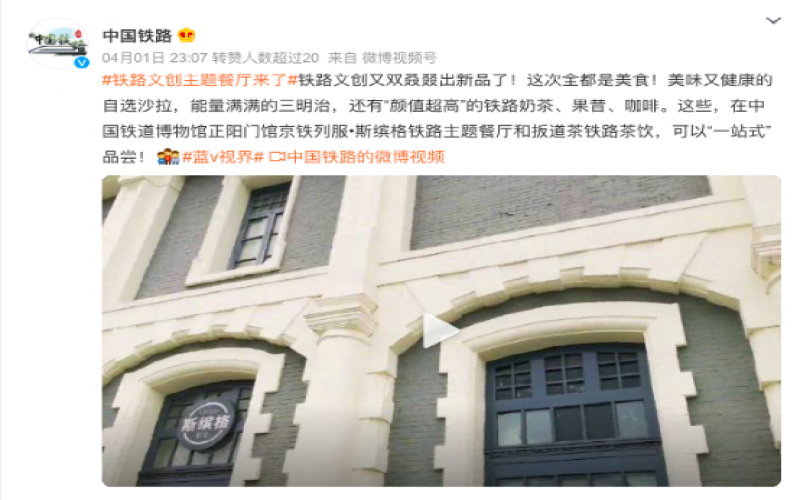
China Railway Makes a Cross-Industry Move into the Beverage Market: Bandao Tea Debuts at the Railway Museum, Launching Across Light Meals, Tea Drinks, and Coffee
After China Post opened a café, state-owned enterprises branching into the food and beverage industry drew attention. China Railway has also joined this trend, launching a railway cultural and creative themed restaurant at the Zhengyangmen branch of the China Railway Museum, covering healthy light meals and beverages. The beverage brand is named "Bendao Tea," featuring railway-themed decor and freshly made tea, juice, and coffee, priced at 12 to 32 yuan. However, consumers have reported that the drinks are too sweet and lack personalized customization options, and the store's location is rather remote with a hard-to-pronounce name, resulting in limited foot traffic. Previously, high-speed rail milk tea was criticized and trended on social media over price and taste issues, and high-speed rail coffee was also launched the same month. Unlike China Post's step-by-step approach with milk tea and coffee, China Railway is pursuing multiple tracks simultaneously—ambitious, but facing no small challenge. [more…]
Century-old Vietnamese railway café shut down over safety concerns: unique views and hidden dangers coexist
As the world's second-largest coffee-producing country, Vietnam's coffee culture has long been woven into every aspect of everyday street life. In Hanoi's Old Quarter, a railway line that cuts through residential buildings has become a popular photo spot thanks to its unique scenery, and the cafés lining the tracks have drawn even more visitors. However, safety hazards followed, and Vietnam's Ministry of Transport ultimately ordered these coffee shops to close on traffic safety grounds. This article walks you through the rise and fall of this internet-famous attraction, and also recommends Front Street Coffee products so that, while following the story, you can savor authentic coffee flavors. [more…]
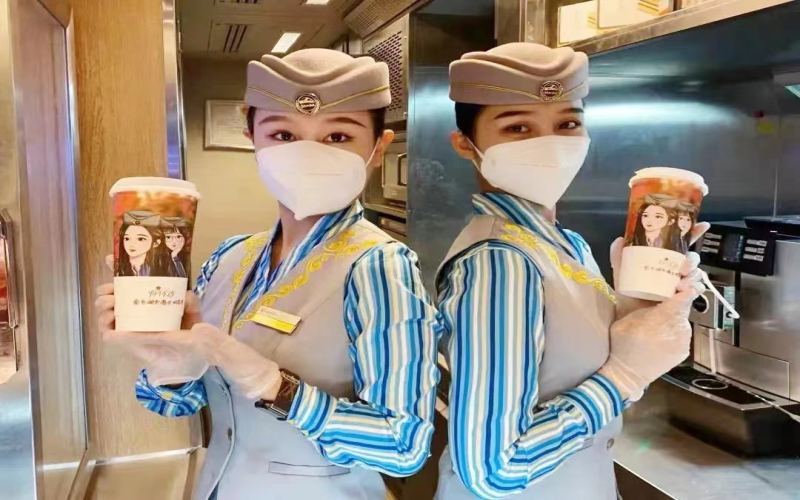
Guangzhou high-speed rail milk tea officially launches, 26 yuan "That Girl" cup sparks heated discussion among netizens
Catering services on high-speed trains have been continuously upgraded, and now the Guangzhou EMU group has taken the lead in launching its own milk tea brand, "That Girl," priced at 26 yuan per cup, with average daily sales reaching as high as 3,000 cups. The series offers four flavors, and the official claim is that natural ingredients are used and tea concentration and sugar content have been reduced to suit passengers' needs. However, after the product launched, it quickly trended on social media, yet was collectively criticized by netizens over its price, packaging, taste, and marketing methods. At the same time, specialty coffee brands such as Front Street Coffee are also paying attention to this crossover attempt. This article will walk you through the research and development background of high-speed rail milk tea, its market performance, and evaluations from all sides. [more…]
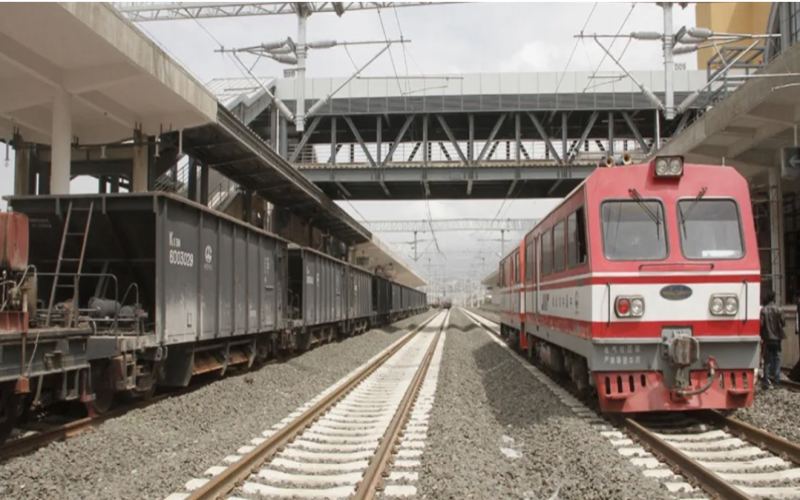
The internal war in Ethiopia has led to problems with coffee transportation, and it is considering using railways for diversion.
Due to the conflict in Ethiopia, there are problems with coffee transportation, and the government considers using railway transportation for diversion. Recently, according to the report of the Ethiopian Reporter Network, the current Ethiopian govern [more…]
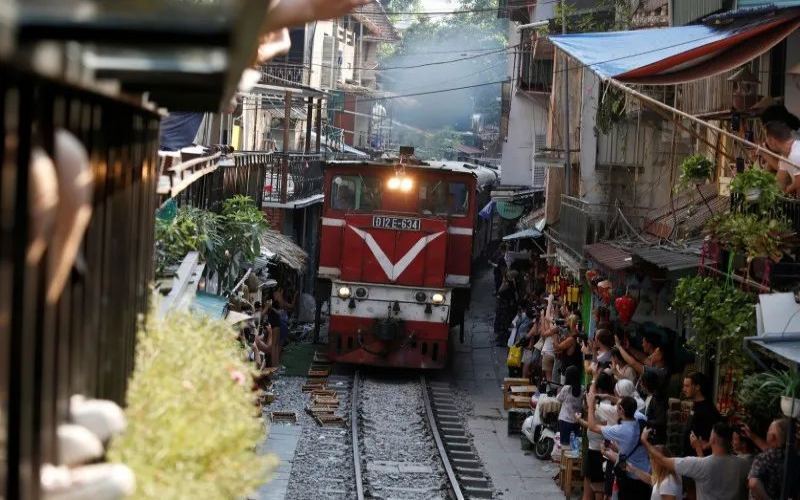
Hanoi's railway coffee street in Vietnam was shut down just days after reopening: how to balance safety hazards and tourism demand
After being closed for more than two years due to the pandemic and violations of railway safety regulations, Hanoi's Railway Coffee Street in Vietnam was forced to shut down by authorities just days after it reopened. This railway alley, which is only about one meter from people's homes, once became a popular check-in spot because tourists could drink coffee while watching trains pass through, but train drivers repeatedly had terrifying moments when tourists suddenly rushed onto the tracks. Hoan Kiem District authorities have set up barricades and revoked business licenses, leaving businesses with no choice but to close. The local government said it will study plans that balance safety and tourism needs, while tourists and netizens have been discussing the matter widely. [more…]
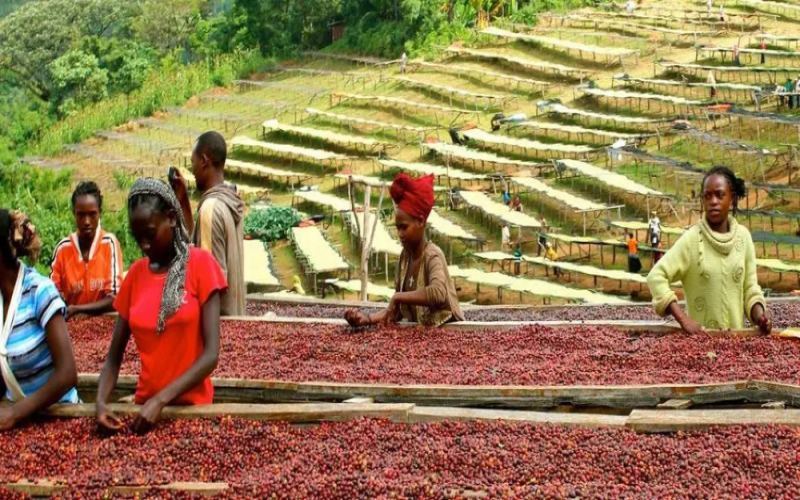
Ethiopian Coffee Exports Face Shipping Delays, Government Plans to Open Rail Freight to Private Capital
Ethiopia's domestic security situation remains tense, with truck drivers frequently attacked, severely disrupting overland transport of major exports such as coffee. As coffee exports account for 30% to 35% of the country's export earnings, transport problems could exacerbate inflation and economic recession. The government is considering shifting to rail transport and plans to allow the private sector to participate in rail freight to reduce logistics costs. However, the existing railway faces challenges including speeds of only 30 kilometers per hour and capacity that is far from fully utilized. This article will outline the background of the situation, its impact, and possible future solutions, along with related product recommendations from Front Street Coffee. [more…]
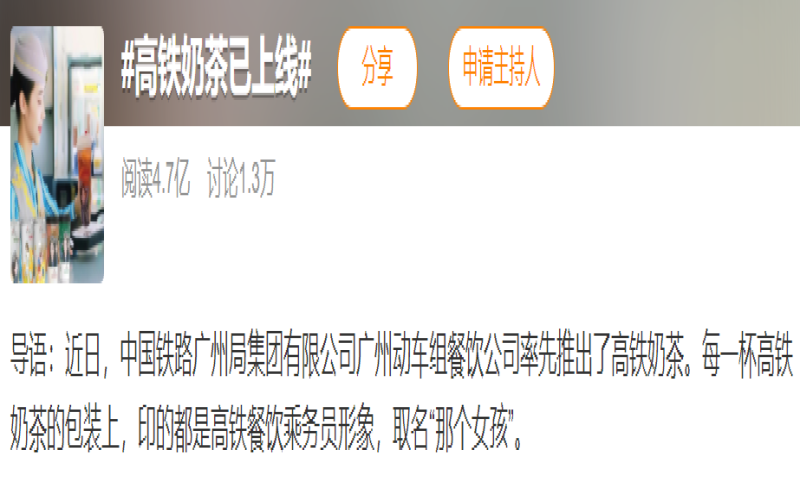
Official Response on High-Speed Rail Milk Tea Pricing: Four Products Priced at 26 Yuan, Quality to Be Upgraded
The high-speed rail milk tea "That Girl" launched by China Railway Guangzhou Group has sparked widespread discussion since its debut, with its 26-yuan price tag, taste, and packaging design all becoming focal points of criticism among netizens. In response to the controversy, the head of Guangzhou EMU Catering Co., Ltd. responded on November 16, stating that the pricing takes into account production costs, transportation, and the special operating environment of high-speed rail, in line with relevant department standards, and promised to continuously optimize product quality based on passenger feedback. Whether this high-speed rail milk tea, which sells 3,000 cups daily and is often out of stock, can turn its reputation around is worth watching. [more…]
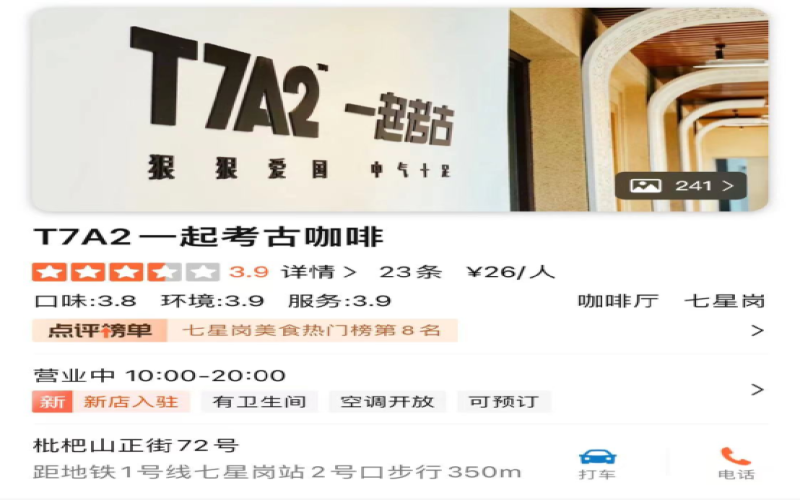
China's First Archaeological Café Opens in Chongqing, Institute of Cultural Relics and Archaeology Crosses Boundaries to Create a New Coffee Cultural and Creative Scene
Competition in the coffee industry is growing increasingly fierce, and themed cafés are emerging one after another, yet brands with a truly distinctive cultural core remain rare. Recently, the country's first archaeology-themed café officially opened in Yuzhong District, Chongqing. Jointly created by the Chongqing Cultural Relics and Archaeology Research Institute and a Chongqing cultural and creative industry council member unit, it blends professional archaeological expertise with the coffee-drinking experience. The shop not only offers archaeology-themed drinks, but also features distinctive settings such as a stratigraphy bar counter, a wall of archaeological tools, and merchandise inspired by replicated cultural relics, with plans to hold themed salons on a regular basis. This cross-disciplinary experiment brings the niche discipline of archaeology into the public eye in a way young people enjoy, and also opens up new imaginative possibilities for the "coffee + cultural creativity" model. [more…]
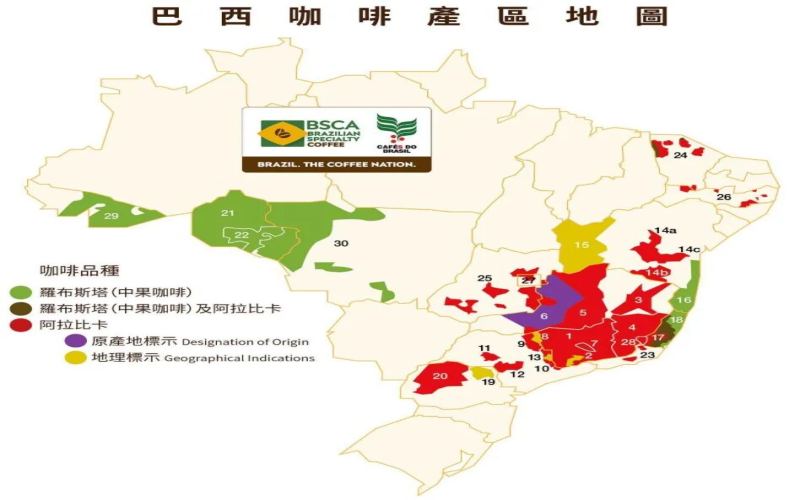
Main Coffee-Producing Regions in Brazil | What Are the Green Coffee Bean Grading Standards in Brazil? How Do You Describe the Flavor of Brazilian Coffee Beans?
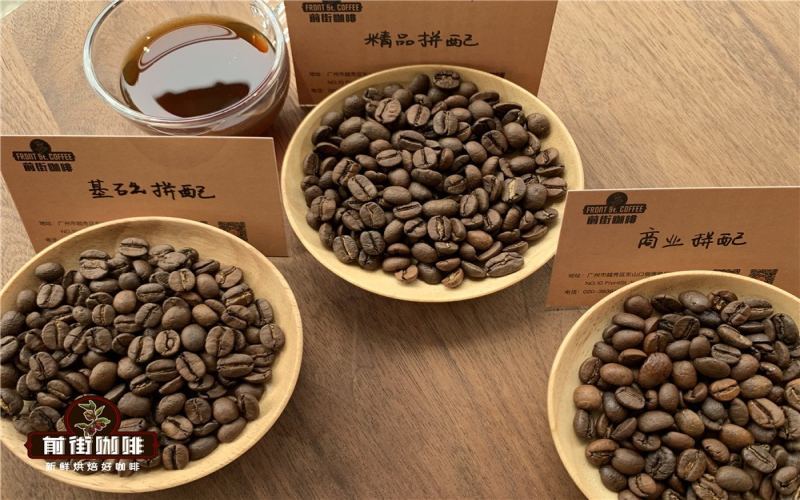
What are the characteristics of Brazilian coffee, given that Brazil is the world's largest coffee-producing country? As a South American coffee, Brazilian beans have a relatively balanced flavor, low acidity, and a smooth mouthfeel, making them very suitable for use in espresso blends. Therefore, Front Street Coffee's basic blend, specialty blend, and commercial blend all use Brazilian beans as their base beans. Brazilian coffee [more…]
A Complete Guide to Brazilian Coffee Regions: From Cultivation History to Grading System and Flavor Characteristics
As the world's largest coffee producer, Brazil is known for its coffee's balanced taste, low acidity, and good body, making it an ideal base bean for espresso blends. Several of Front Street Coffee's espresso blends use Brazilian beans as their foundation. This article will comprehensively analyze the characteristics of Brazilian coffee from multiple dimensions, including planting history, main producing regions, grading systems, variety classification, and processing methods. It will also introduce the flavor profiles and recommended brewing parameters of Front Street Coffee's Brazil Cerrado and Queen's Estate coffees, helping coffee enthusiasts gain a deeper understanding of the unique charm of this South American coffee giant. [more…]
Brazilian Coffee Bean Brand Recommendation Guide: A Complete Analysis of Origin Flavors, Variety Characteristics, and Grading Systems
As the world's largest coffee producer, Brazil is known for its coffee with low acidity, smooth body, and balanced flavor, making it the cornerstone of espresso blends. Many of Front Street Coffee's espresso beans are based on Brazilian beans. This article systematically examines the characteristics and flavor profile of Brazilian coffee from multiple dimensions, including its historical origins, major producing regions (Sul de Minas, Cerrado, Mogiana), varieties (Bourbon, Catuai, Mundo Novo), grading systems (NY grade, cupping standards), and the pulped natural processing method. It also includes Front Street's practical brewing parameters and flavor descriptions for Brazilian coffee, helping coffee enthusiasts gain a comprehensive understanding of the unique charm of this major coffee-producing nation in the Americas. [more…]
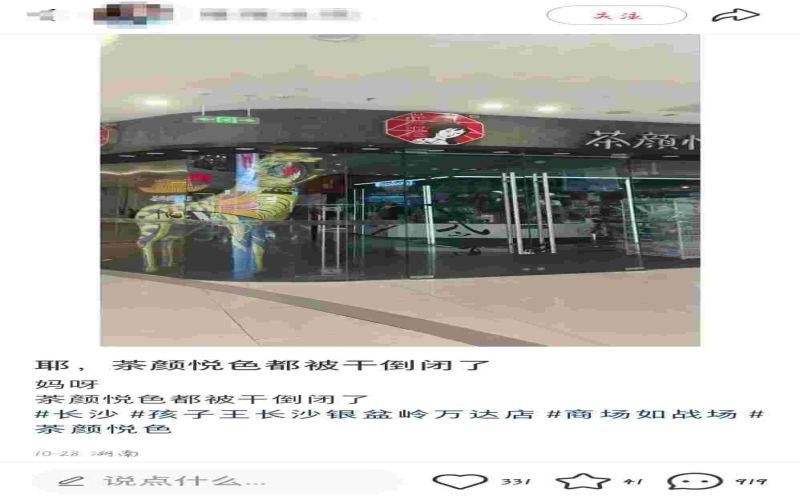
Tea Yan Yue Se stores in multiple locations have closed one after another, and the once-packed queues are hard to see again.
Recently, a netizen tipped off that a nearly ten-year-old CHAYANYUESE store at Yinchangling Wanda Plaza in Changsha had quietly closed, sparking widespread discussion. Subsequently, more netizens shared photos pointing out that stores in multiple locations—including Changsha South Railway Station, Huachuang International Plaza, Changde Wanda, and Wuhan Buddha Ridge subway station—had also been successively withdrawn in the recent period, and the actual number of closures may be even higher. Regarding the reasons for the closures, some believe it is the brand adjusting its store layout, while others attribute it to declining mall foot traffic. However, more consumers point the finger at CHAYANYUESE's insistence on its "stand-in-line verification" mechanism—drinks are only made after customers verify their orders in person—which runs counter to today's consumer habits of pursuing efficiency and convenience. In addition, longtime fans generally report a decline in quality control, with the value for money of the drinks being far worse than before. Once a must-visit spot for photos, its charm has now faded, stores sit empty, and the brand's move to close underperforming locations and cut losses in time may also be a reluctant choice. [more…]
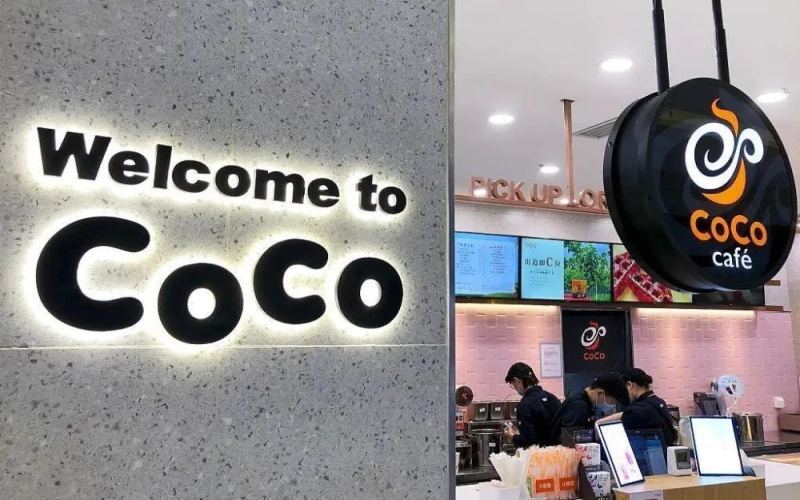
New-style tea brands are crossing over into the coffee sector, intensifying the battle for a hundred-billion market.
In recent years, new-style tea beverage brands have no longer been content with their original track and have turned their eyes toward the coffee sector. From Tea Yanyuese launching an independent coffee brand, to Heytea investing in a specialty coffee chain, and then Naixue Tea taking a stake in AOKKA, cross-sector moves have been frequent. At the same time, Mixue Ice Cream & Tea had long been deeply cultivating the coffee market with "Lucky Cup," and CoCo都可 was even earlier, taking the lead in testing the waters back in 2014. As China's coffee market scale approaches 500 billion, capital and companies of all kinds are accelerating their entry, and the number of financing events has surged. This article will sort out the journey of new-style tea beverage brands entering the coffee track, key cases, and market data, and explore the strategic considerations and industry impact behind this trend. [more…]
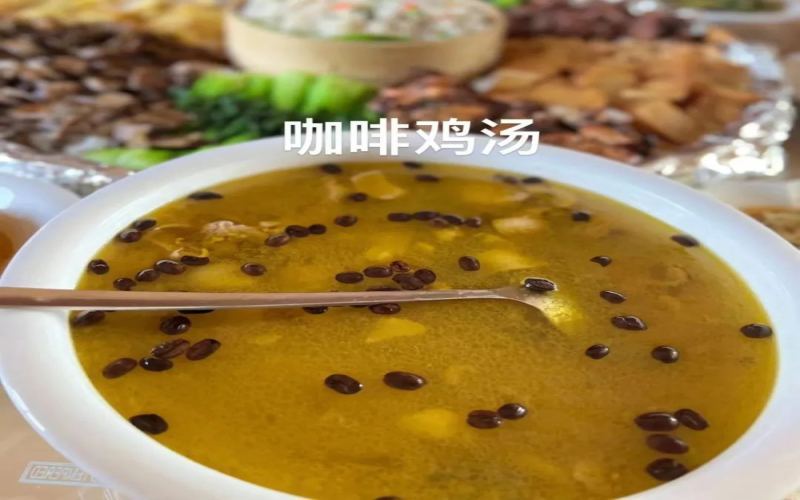
A Creative Roundup of Guangdong's Specialty Coffee: The Regional Cultural Logic Behind Ginger-Scallion Chicken Americano and Sesame Oil Qingping Chicken
The way coffee is enjoyed in Guangdong is clearly a bit different from elsewhere. When ginger juice, scallion shreds, toasted sesame seeds, and even bird's eye chilies jump into the coffee cup one after another, the boundaries of specialty coffee get redrawn again and again. This article rounds up a batch of coffee specialty drinks with strong Guangdong characteristics, from ginger milk curd with espresso to a kumquat juice and coconut water mashup, and on to ginger-scallion chicken Americano and sesame oil Qingping chicken specialty coffee. Behind these seemingly outrageous combinations actually lies the open-minded, relaxed regional character of Cantonese people. Most of these products are gimmicks to draw traffic, and only a few actually make it to market, but they still show the many possibilities of coffee. The article also keeps relevant recommendation information from Front Street Coffee for coffee lovers' reference. [more…]

A Grand Showcase of New Year Couplets for Coffee Shops: A Creative Clash of Dragon Year Coffee Culture and Traditional Spring Couplets
During the Spring Festival of the Year of the Dragon, the coffee industry blended into traditional New Year flavor in a unique way, as many independent café owners posted carefully crafted coffee-themed Spring Festival couplets on social media. These couplets cleverly combined coffee elements such as lattes and Americanos with auspicious blessings, showcasing the charm of coffee culture while conveying good wishes for the New Year. From “Coffee has bitterness and sweetness too” to “Iced Americano is simply the best,” each couplet embodied the shop owner’s love of life and blessings for customers. Let us step into these highly creative cafés together, experience a distinctive New Year flavor where tradition and modernity blend, and savor the cultural charm within the rich aroma of coffee. [more…]

Returning youth unlock a new way to use a charcoal-fired moka pot, sparking heated discussion with creative rural coffee brewing
As coffee culture continues to gain popularity in China, more and more young people are bringing their urban coffee habits back to the countryside. During this year's Spring Festival, a netizen posted photos on Xiaohongshu of making coffee with a charcoal stove paired with a moka pot, quickly sparking lively discussion among those returning to their hometowns. In the comments section, netizens eagerly "volunteered for battle," using everything from fire tongs and steamer racks to heating stoves as makeshift coffee bases. Meanwhile, others used pour-over kettles, thermos flasks, and even teapots to experiment with countryside pour-over coffee. This coffee experiment, full of creativity and festive spirit, showcases the ingenuity and enthusiasm of coffee lovers while also reminding everyone to pay attention to the safe use of equipment. Front Street Coffee always pays attention to the diverse expressions of coffee culture, savoring this unique rural coffee charm together with you. [more…]

2022 WBC Champion Anthony's Full Breakdown of Latte and Creative Coffee Production: From Milk Powder Thickening to Nitrogen Processing
The 2022 WBC World Barista Championship has come to a close, with Australian competitor Anthony Douglas taking the crown thanks to his unique creative coffee and milk coffee preparation techniques. His performance not only showcased the charm of the 80-hour anaerobic natural Sidra coffee beans from El Diviso Estate in Colombia's Huila region, but also brought laboratory-level processing methods onto the competition stage: vacuum slow-cooked date syrup, nitrogen infusion, magnetic stirring, freeze-vacuum-dehydrated milk powder... How do these techniques affect coffee flavor? This article walks you through Anthony's recipe and operational details one by one, and explores the gap between barista competitions and everyday café culture. Meanwhile, Front Street Coffee continues to provide you with professional coffee knowledge exchange and specialty bean recommendations. [more…]

Fuzhou fishball coffee sparks heated online discussion, prompting deep reflection on the boundaries of creative coffee.
After green pepper latte trended on social media, an eye-popping Fuzhou fish ball coffee appeared. This method, which involves hollowing out fish balls, filling them with espresso, and then pouring latte art with milk, left coffee lovers and Fuzhou locals collectively speechless. In recent years, from octopus latte to century egg coffee, from coffee rice noodle rolls to green pepper latte, all kinds of bizarre creative coffees have emerged one after another. Are these drinks, which seemingly practice the idea that "anything can be coffee," an innovative exploration of coffee culture, or simply a traffic game to grab attention? When taking photos and checking in becomes the main purpose of consumption, what will become of these creative coffees? [more…]
From Berlin's first coffeehouse to the world's second-largest consumer nation: the historical trajectory of German coffee culture and the Latin American cultivation landscape
In 1721, the first coffeehouse opened in Berlin, marking the beginning of Germany's coffee industry, which started slowly amid policy restrictions but rose rapidly in the 19th century through Latin American plantations and immigrant networks. German merchants once controlled more than 80 percent of Guatemala's coffee bean exports, and two world wars caused this coffee domain to rise and fall several times. After the war, Germany's economy recovered, and its position in the coffee trade was rebuilt accordingly. Today Germany is the world's second-largest coffee-consuming country, and its per capita consumption far exceeds that of the United States. This article sorts out the complete thread of German coffee culture from its budding beginnings and expansion to its revival, and is suitable for readers interested in coffee history and the industrial landscape to savor carefully. [more…]
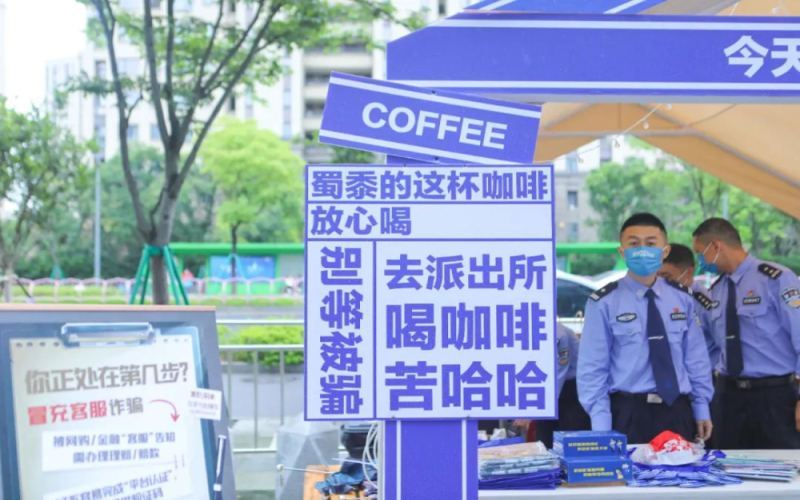
Ningbo Police Set Up a Coffee Stall? Anti-Fraud Campaign Gets Creative with Officers Brewing Coffee Themselves
A police station set up a coffee stall at a creative market, and the baristas were real police officers—the Jiangbei Branch of the Ningbo Public Security Bureau opened a POLICE COFFEE stall with the theme "Have you fought fraud today?", using coffee culture to close the distance with young people and deliver anti-fraud knowledge in a relaxed atmosphere. From cup sticker slogans to age-specific anti-fraud small gifts, from free coffee for collecting likes to stand-up comedy case studies, the police uncles racked their brains to protect everyone's wallets. This article takes you to see what is so special about this cup of "police coffee," and how police in multiple places are collaborating with cafes to promote anti-fraud awareness. [more…]